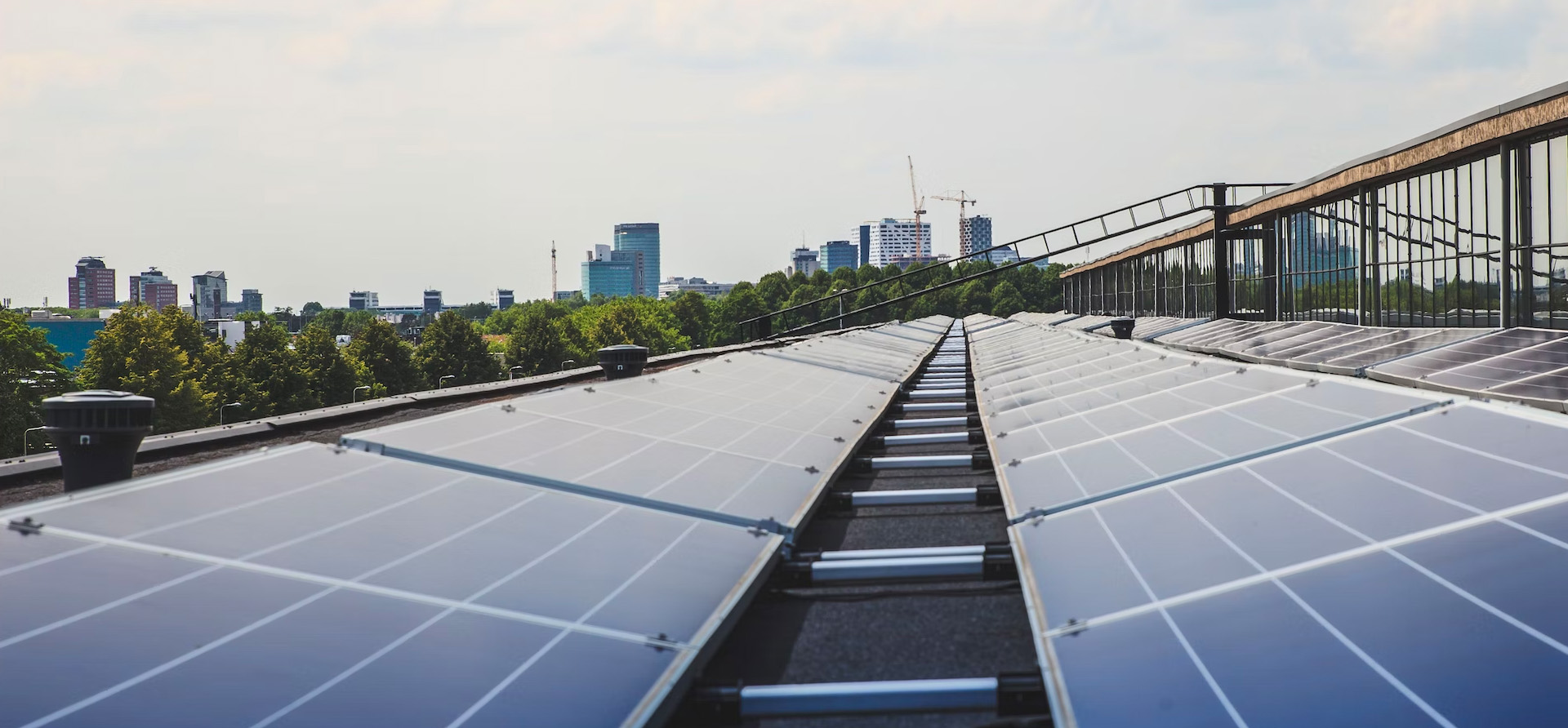
- The long-term goal of net-zero emissions by 2050
- The short-term target of a 40% reduction in emissions by 2030
Both targets are essential and need to be met; however, the short-term goal may be even more important from a technological perspective. Atmospheric carbon, the accumulation of emissions, appears to be growing in a j-curve while emissions are increasing instead of decreasing annually. The 2030 goal, if achieved, will reverse that trend and have a major impact on the total atmospheric carbon while the global community works toward a net-zero 2050.
Renewables Are Not an Immediate Catchall
A commonly touted solution to achieve both long- and near-term goals is the use of renewable energy as a catch-all to electrify everything. However, each of those solutions include secondary challenges, and considerable development and innovation will be required to meet them in the available time.
The growth rate for renewables may achieve 2050 targets, but we need cleaner energy immediately to meet the 2030 targets. Replacing coal-fired steam turbine generation, the largest single emission source, with combine cycle gas turbine generation will reduce emissions from generation by 75%. Though fossil fuel-based, this solution will have weight almost immediately.
On the consumer vehicles front, a transition to EVs will also support this short-term goal and smaller, more efficient vehicles, including e-bikes and e-scooters, need to be incented for short trips. In my community, the largest market for e-bikes has surprised everyone as it is the seniors with early rates of adoption looking to enjoy the outdoors with families.
Barriers to Electrification Exist
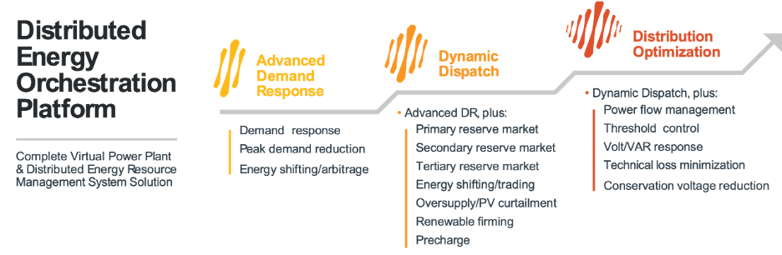
Electrifying everything will be difficult because the existing grid design was never intended to meet such diverse DER needs. Generac Grid Services is at the center of this challenge with its future grid vision. The electric grid today delivers less than 20% of total energy used, and parts of the grid are based on designs that were effective 100 years ago. For example, the distribution system that carries power from the last substation to customer homes and businesses was built to be and remains a one-way system. It was designed to deliver power to the customer, not to uptake power from consumers. While utilities have accepted some DER, the rapid adoption of DER is causing problems. When DER penetration is high on long distribution feeders, substation protection systems may not see faults as the fault current may be provided by the DER facilities. When this happens, a line fault may not be isolated and there have been occasions where such an event resulted in fires.
Renewable advocates dream of transferring wind and solar power across time zones. Still, the existing high-voltage transmission system requires enormous capacity in reactive power simply to charge these long lines. Renewable systems at present have almost no capacity to handle such an occurrence.
There are many barriers in the path ahead, but most can be solved through innovation and technology. A tactical transition to meet the 2030 target, that may include the use of some fossil fuel, will likely be essential. Concurrently, an overall strategy to get to net-zero emissions can be prepared and initiated.
Generac Grid Services has the people, skills and determination to make the transition work. While the company has been internally running innovation sessions for employees, the time may have come to extend this concept to include representatives from both utilities and electrical customers. Now is optimal to promote distributed innovation.



 Global carbon markets are not new; trading of carbon emissions and credits have been ongoing for decades. What’s been missing were stringent accounting rules on how to calculate those emissions that are traded. Current carbon markets are exposed to considerable price variability and uncertainty. There is no standardized verification criteria and therefore no certainty when purchasing carbon credits. The Paris Rulebook addresses some of these issues, including the issue of double counting of carbon credits. This is expected to provide more transparency and reliability through authorized “exports’”of offsets.
 Why Now Is Better Than Later


 The problems began when they started to look at the efficiency of the various uses of energy, whereupon problems and constraints began to appear. The car that most people used was about 20-25% efficient, so it became an immediate target, but to convert all cars to EVs left no remaining electricity to offset the use of natural gas.


 With that said, a practical roadmap to net zero is very ambitious. IEA believes success looks like electricity accounting for almost 50% of total energy consumption in 2050, with almost 90% of electricity generation coming from renewable sources, of which wind and solar PV together account for nearly 70%. This will mean that electricity system flexibility —needed to balance wind and solar with evolving demand patterns — quadruples by 2050 with major increases in all sources of flexibility: batteries, demand response and low‐carbon flexible power plants, supported by smarter and more digital electricity networks.